In 2025, Artificial Intelligence is no longer something extraordinary. It has quietly entered our homes, smartphones, workplaces, and study routines. Most people do not stop to think about it, yet AI is now involved in many small decisions we make every day. Unlike earlier years, AI in 2025 does not feel complicated or distant anymore. Instead, it feels normal. It works silently in the background, helping people complete tasks faster, learn more effectively, and manage daily responsibilities with less stress.
This article explains how AI in 2025 is influencing our daily life in 2025 by using simple, real-world examples that almost anyone can relate to.
AI in Daily Life: Small Help That Makes a Big Difference
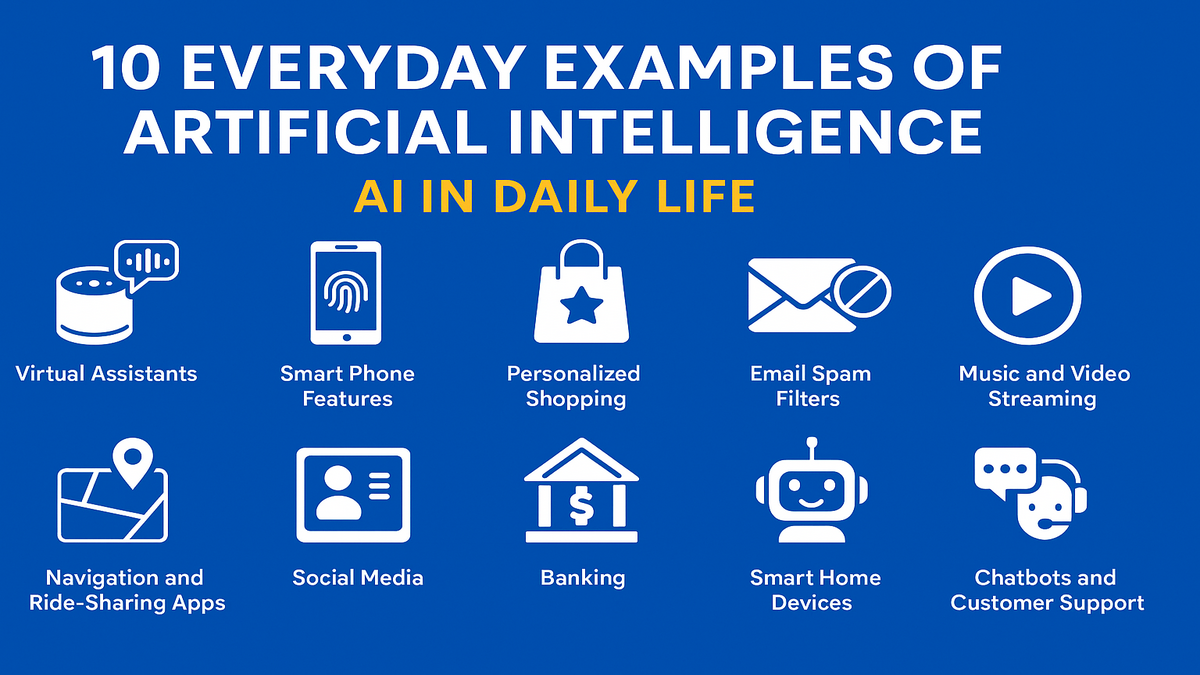
AI does not always announce its presence, and most of the time, it goes unnoticed. There are no alerts saying “AI in 2025 is working.” Instead, it simply makes daily activities seamless. For example, smartphones auto-correct typing errors, applications curate content based on personal interests, navigation apps display the fastest routes, and online services remember user preferences. Although these changes may seem minor on their own, together they significantly transform how people interact with everyday tasks.
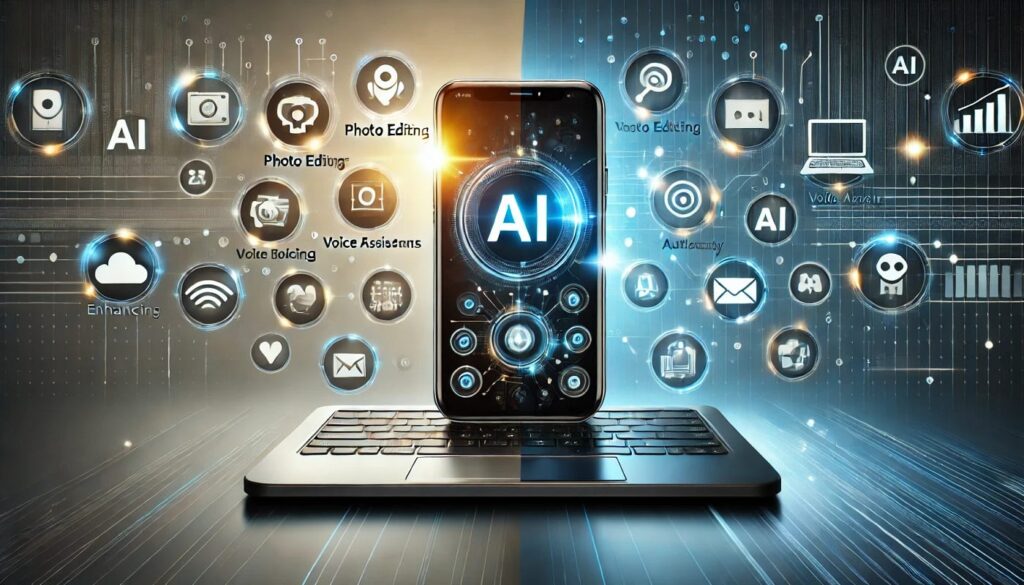
Smartphones and AI in 2025: A Personal Assistant in Your Pocket
In 2025, smartphones have surpassed all previous models in terms of intelligence. AI is used to design devices that observe user behavior and respond accordingly. Many phone-based AI features have become part of daily usage, including intelligent camera improvements, automatic photo sorting, improved voice-to-text accuracy, and effective spam call identification.
Over time, smartphones adapt to individual users. They learn habits, reduce unnecessary actions, and optimize performance. As a result, daily phone usage becomes faster, smoother, and more comfortable.
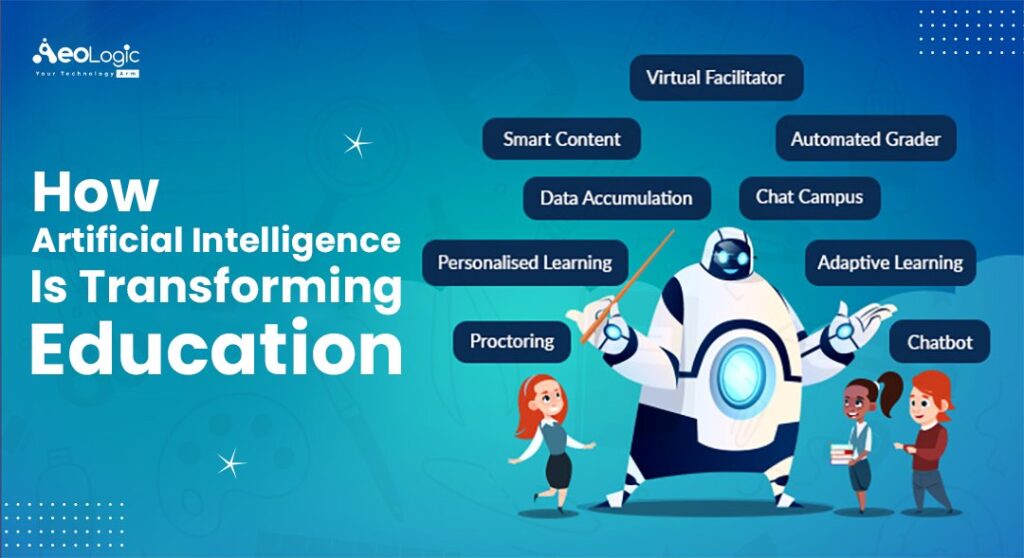
Learning Has Changed: AI as a Study Companion
Education is one of the areas where AI has shown remarkable results. Students no longer depend only on textbooks and handwritten notes. Instead, they use AI tools to understand concepts at their own pace. These tools help students simplify difficult topics, revise lessons quickly, improve writing and grammar, and prepare for exams and interviews.
In 2025, there is a noticeable shift away from blind memorization toward a deeper focus on understanding. This change has made self-learning more effective and accessible for learners.
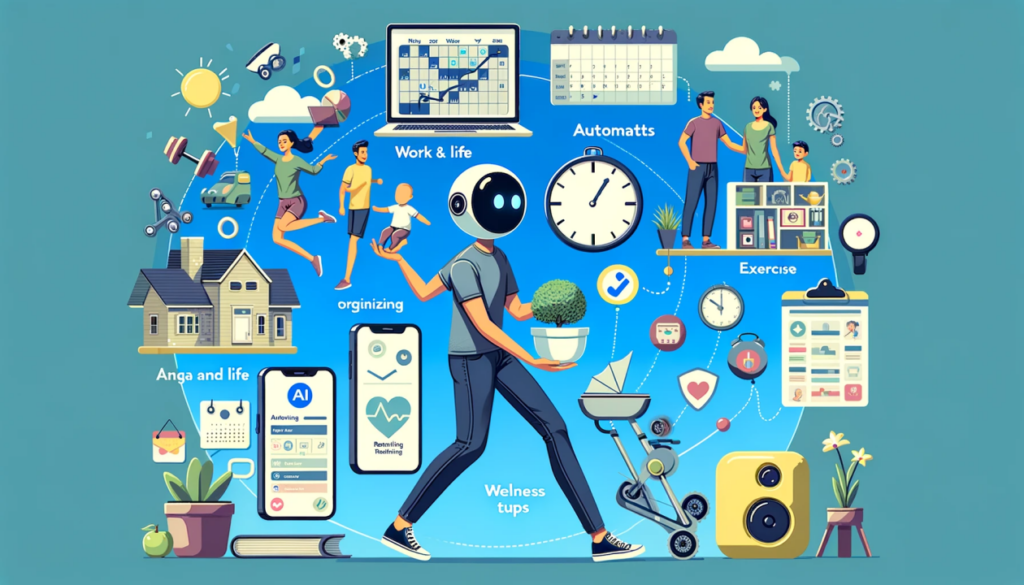
AI in Work Life: Reducing Effort and Improving Focus
In the workplace, AI in 2025 has become a useful tool for handling repetitive tasks more efficiently. This does not mean job loss, but rather a change in how work is done. AI is commonly used for drafting emails, organizing schedules, summarizing documents, and assisting customer support teams.
By managing routine tasks, AI allows employees to focus their energy on creative thinking, problem-solving, and decision-making, thereby improving overall productivity.
Health and Well-Being: AI in 2025 as a Daily Guide
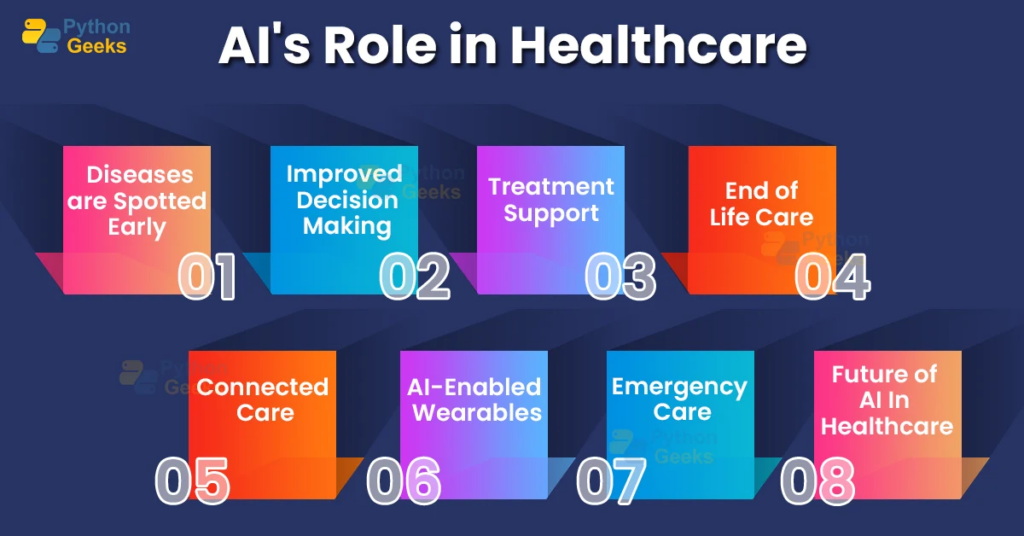
Personal health management continues to develop with the support of AI. By 2025 and beyond, more health management applications are tracking basic health indicators and providing useful recommendations. Daily AI health assistants can track steps and physical activities, analyze sleep patterns, send reminders for scheduled workouts, and suggest healthier meal options.AI analyise air quality data of pollution in delhi.
These applications work alongside healthcare providers by offering guidance rather than replacing professional advice. They encourage healthier habits and support users throughout their health journeys.
Shopping, Entertainment, and Online Choices
AI has a strong influence on consumer behavior in daily life. It provides recommendations for movies and music, suggests products based on preferences, offers discounts tailored to specific users, and delivers optimized search results. Because of this, people spend less time searching for information and receive relevant suggestions with minimal effort.

Does AI Make Life Faster or Easier?
In most cases, AI makes life easier rather than simply faster. However, its impact depends on how it is used. Some of the benefits include improved time management, reduced workload, enhanced learning experiences, and personalized interactions.
At the same time, there are aspects to be cautious about, such as over-reliance on automation, blindly trusting information, and ignoring privacy concerns. AI works best when humans remain in control.
Using AI in 2025 Sensibly in Daily Life
To make the most of AI, it should be used as a supportive aid rather than a replacement for thinking. Important information should always be verified, excessive dependence should be avoided, and human judgment should be combined with AI assistance. When applied thoughtfully, AI becomes a valuable tool that enhances everyday life without replacing human intelligence.
Conclusion
In conclusion, AI feels common place in 2025, and that itself explains its impact. What once seemed futuristic has become part of everyday living, quietly supporting people in their daily routines.