In Delhi, pollution affects has gradually become part of everyday life. For many residents, checking the air quality index has become as routine as checking the weather forecast. Pollution in delhi is no longer an occasional concern; it is a daily reality. From cloudy mornings to burning eyes and uncomfortable breathing, its presence is felt throughout the day.
This blog explains the reasons behind how pollution affects Delhi and how it affects people’s daily habits and health, and the small but meaningful actions individuals can take to protect themselves.
Why Pollution in Delhi Such a High Level
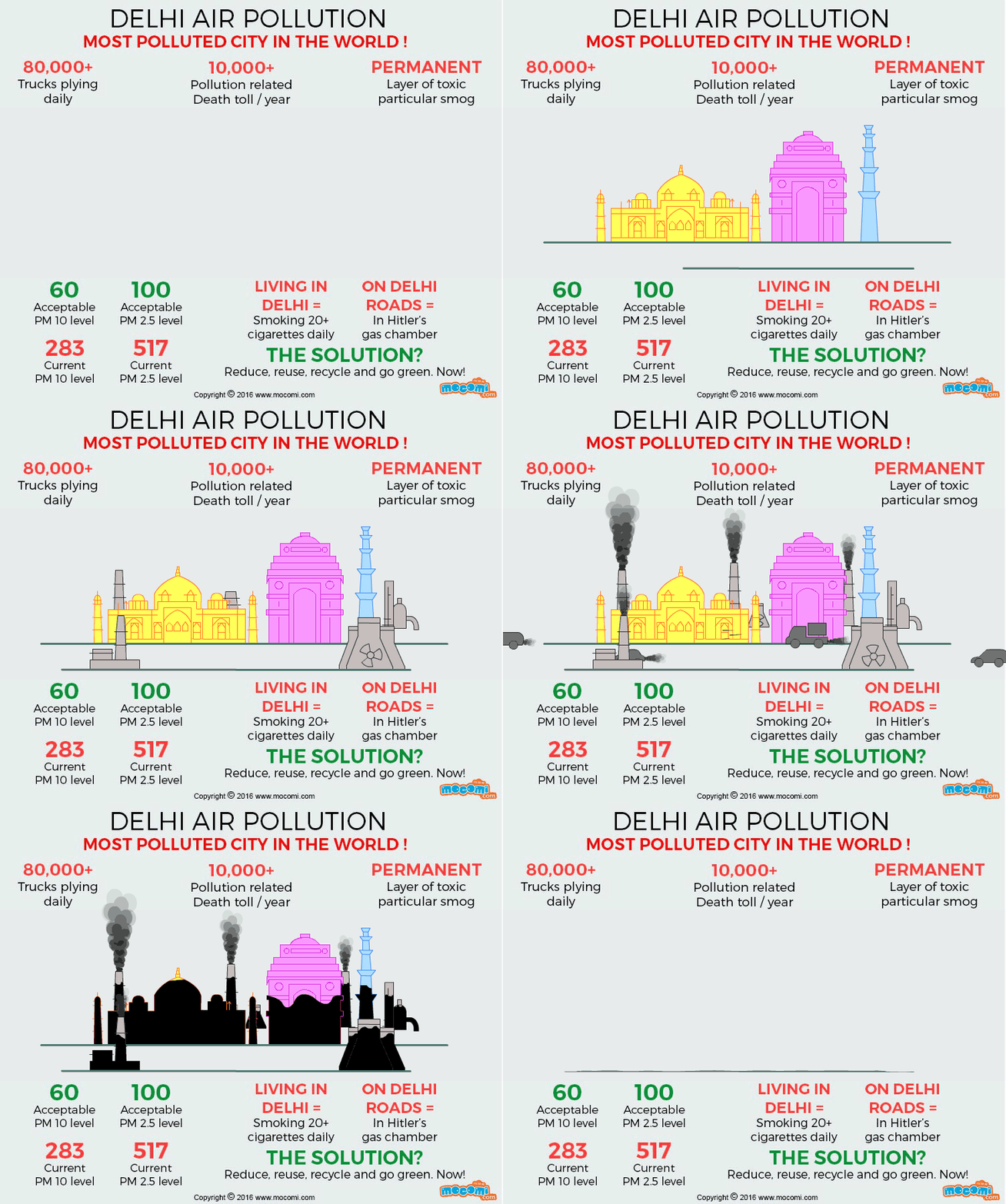
There is no single reason behind pollution in delhi. Instead, it is the result of several factors occurring at the same time. Diesel emissions and heavy traffic contribute significantly to air pollution. Dust from construction activities across the city further worsens air quality. Industrial pollution from nearby regions adds to the problem, while the burning of crop residue during winter months releases large amounts of smoke into the air.
Weather conditions also play an important role. During colder months, low wind speeds and temperature inversion trap pollutants close to the ground. As a result, smog can remain suspended in the air for days without dispersing.
How pollution in delhi in our daily life
Pollution affects people in such a way that it is beyond visible smog. Its impact can be seen in both physical health and daily routines.
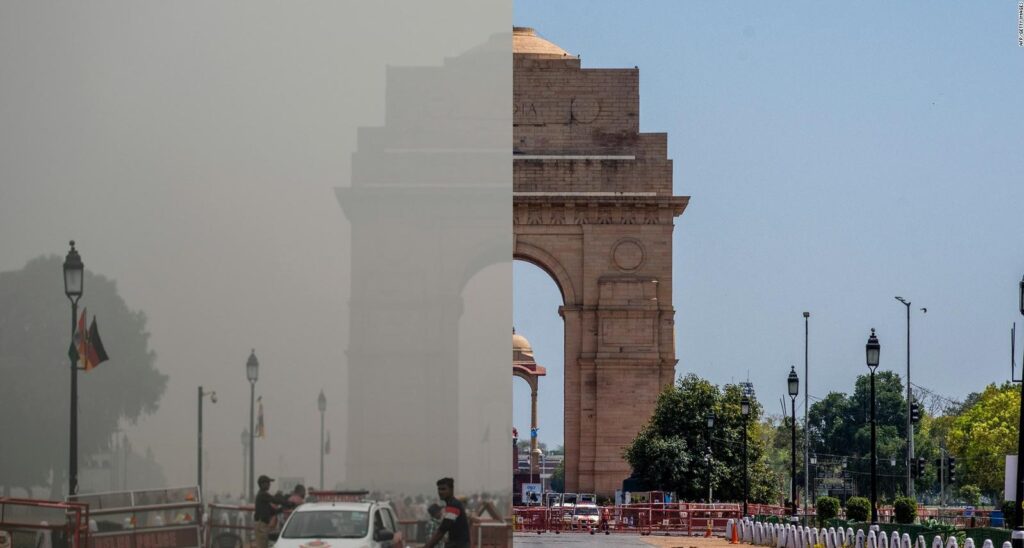
In Delhi, pollution has become a daily occurrence. What was formerly thought to be a seasonal issue is now a daily worry. Pollution affects how people live, work, and move around the city in a variety of ways, from reduced visibility and misty mornings to breathing problems and changes in lifestyle.
Effects on Physical Health
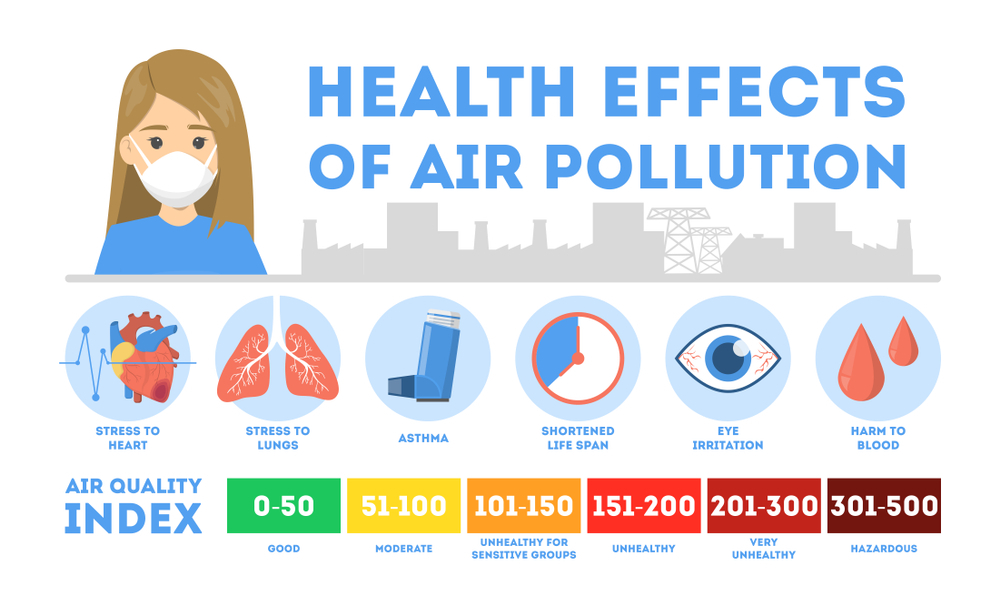
Constant exposure to polluted air often leads to breathing difficulties, asthma-related problems, frequent coughing, and throat irritation. Many people also experience headaches, eye discomfort, fatigue, and reduced stamina, which affects their ability to carry out daily activities comfortably.
Impact on Daily Routines
Daily habits have changed significantly due to pollution. Morning walks have become difficult, and outdoor activities are often avoided. Children spend more time indoors, and there is an increased reliance on masks and air purifiers. Over time, continuous exposure to polluted air reduces overall quality of life.So, AI in 2025 helps our daily life activities wisely.
How Pollution in delhi impact on Children and the Elderly
Children and elderly individuals are particularly vulnerable to air pollution. Children’s lungs are still developing, while older people often have weaker immune system, making them more sensitive to poor air quality.
Common concerns include reduced lung development in children, an increase in respiratory illnesses, stress and the worsening of existing heart and lung conditions. Because of this, pollution in delhi has become not only an environmental issue but also a serious public health concern.
What People Can Do to Keep Safe
While large-scale solutions require government action, individuals can still take steps to reduce their exposure to pollution affects in delhi. Avoiding outdoor activities during periods of high pollution can help limit health risks. Wearing masks on severe pollution days provides additional protection. Keeping indoor spaces clean and well-ventilated is also important.
Adding indoor plants can help improve air quality inside homes. Regularly tracking daily air quality updates allows people to plan their activities more safely. Even small lifestyle changes can significantly reduce health risks.
Long-Term Solutions Require Teamwork
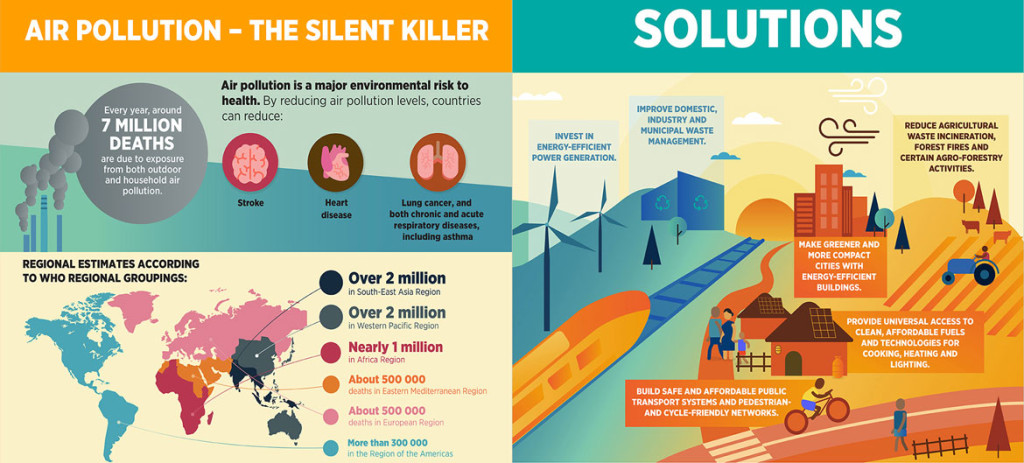
Solving Pollution in delhi requires collective effort from authorities, industries, and citizens. Long-term measures include encouraging the use of public transport and electric vehicles, controlling construction dust, improving waste management, and promoting environmentally friendly farming practices. Increasing public awareness is equally important.Artificial intelligence in 2025 makes our task effectively and gives accurates results of rising pollution in delhi.
Pollution control is not a short-term task. It requires responsibility, consistency, and cooperation from everyone involved.
Concluding Remarks: Living with Awareness Rather Than Fear
Pollution in Delhi is a serious challenge, but awareness is the first step toward change. By understanding the causes, protecting personal health, and supporting sustainable practices, residents can reduce the impact on their daily lives.
Cleaner air may take time to achieve, but small steps taken today contribute to a healthier future.